Skip to content

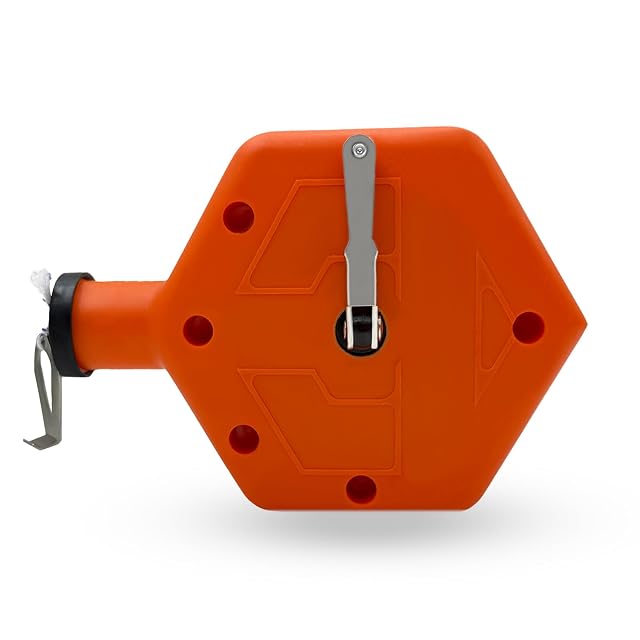
OX Chalk reel, 100 ft, steel winding handle

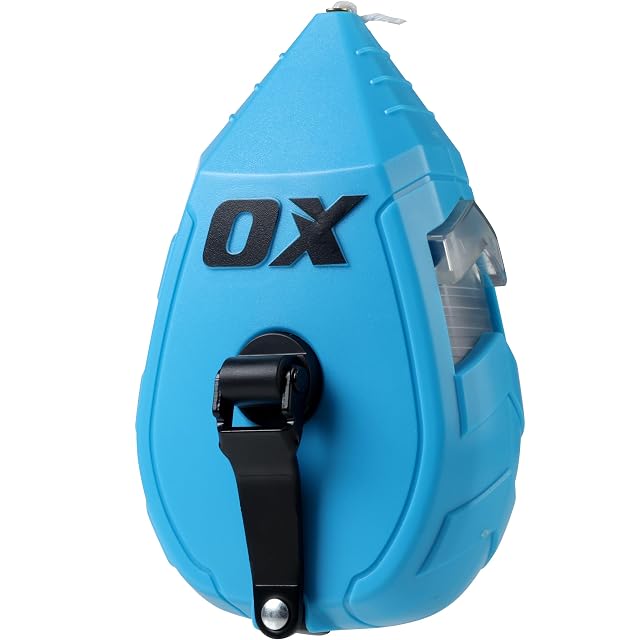
A steel handle on a plastic body, and a pointed nose for working into a corner — two details nobody else on this shelf publishes.

OX chalk line reel with steel winding handle

OX Chalk reel, 100 ft, steel winding handle

A steel handle on a plastic body, and a pointed nose for working into a corner — two details nobody else on this shelf publishes.

Material
A lightweight ABS plastic body, stated to resist dents, drops and worksite wear. ABS is the common shell on this shelf; one reel here is cast aluminum instead
Body and fittings
A STEEL winding handle, described by OX as its own innovation. On a plastic reel the handle is the part that snaps or flexes under a bound line, and steel is the right answer to it — one other reel on this shelf names a steel handle, and it is three times the price
Reference and mounting
A pointed tip design, stated to combine accuracy with durability for corner and edge applications. It is unique on this shelf: a pointed nose lets the reel body itself sit into an angle so the line starts at the corner rather than an inch out from it
Stated dimension or range
100 ft of bold line, stated to hold chalk well and keep marks sharp. No line diameter appears
Functions
NO GEAR RATIO IS PUBLISHED. Four of the nine reels on this shelf give none, and this shelf's introduction calls a geared rewind the whole ergonomic argument of this family
Supplied
A secure hook storage system, stated to prevent loss and damage in transport. No chalk is stated as included, and no sealing organ is described
Amazon reference
B0DK9Q32FG
EAN
9341231061202
  • A steel winding handle at twelve dollars
  • A pointed tip for corners, which nothing else here has
  • No gear ratio published, on 100 ft of line

Best for: Corner and edge work, where the nose of the reel has to reach into the angle

≈ $12
Check price on Amazon
Specifications

Material
A lightweight ABS plastic body, stated to resist dents, drops and worksite wear. ABS is the common shell on this shelf; one reel here is cast aluminum instead
Body and fittings
A STEEL winding handle, described by OX as its own innovation. On a plastic reel the handle is the part that snaps or flexes under a bound line, and steel is the right answer to it — one other reel on this shelf names a steel handle, and it is three times the price
Reference and mounting
A pointed tip design, stated to combine accuracy with durability for corner and edge applications. It is unique on this shelf: a pointed nose lets the reel body itself sit into an angle so the line starts at the corner rather than an inch out from it
Stated dimension or range
100 ft of bold line, stated to hold chalk well and keep marks sharp. No line diameter appears
Functions
NO GEAR RATIO IS PUBLISHED. Four of the nine reels on this shelf give none, and this shelf's introduction calls a geared rewind the whole ergonomic argument of this family
Supplied
A secure hook storage system, stated to prevent loss and damage in transport. No chalk is stated as included, and no sealing organ is described
Amazon reference
B0DK9Q32FG
EAN
9341231061202

What the maker puts in writing

  • 100 ft bold line, stated to hold chalk and keep marks sharp
  • Lightweight ABS plastic body, resists dents, drops and worksite wear
  • Steel winding handle, described as an OX innovation
  • Pointed tip design, for corner and edge applications
  • Secure hook storage system, prevents loss and damage in transport

NO GEAR RATIO. No line diameter. No sealing organ. No chalk included.

Steel where the load is

Which is the right split on a plastic reel.

When a hundred-foot line binds on the drum — chalk clumps, the line crosses, the hook catches — everything the wrist does goes through the crank.

A molded plastic crank is where a cheap reel fails.

Light shell, strong handle. One other reel on this shelf names a steel handle, at twenty-eight dollars. This one is twelve.

A point, so the line starts in the corner

Which nothing else here offers.

A rounded nose cannot sit into an internal angle. The hook end goes to the corner, the reel end sits proud, and the snap begins an inch off the mark.

A pointed nose puts the line exit at the point of the tool.

On a floor tiled from a corner, that inch is the difference between a square grid and one that creeps.

And no gearing

Which is where the money did not go.

A hundred feet direct-drive is roughly a hundred and twenty turns. The 6:1 reel on this shelf does it in twenty, and this shelf’s introduction calls that the whole ergonomic argument.

OX publishes no ratio, so assume the slow case.

Twelve dollars spent on the body and not the gearbox: right for occasional use, wrong for a day of layout.

Availability

On sale at around 12 € on the American Amazon store at the time of checking.

Prices and availability are what Keepa reported on the date this page was updated; both move.

Prices quoted in this text were read on 8 October 2026. The live price is at the top of the page.

What gets asked here

Why does a steel handle matter on a plastic reel?

Because the handle takes all the load. When a hundred-foot line binds on the drum — chalk clumps, the line crosses itself, the hook catches — everything the wrist does goes through the crank, and a molded plastic crank is where a cheap reel fails. Steel on a plastic body is the sensible split: light shell, strong handle. One other reel on this shelf names a steel handle and it costs twenty-eight dollars; this one costs twelve.

What does a pointed tip do?

Lets the line start in the corner instead of an inch away from it. A chalk reel with a rounded nose cannot sit into an internal angle, so the hook end goes to the corner and the reel end sits proud — and the snap then begins slightly off the mark. A pointed nose puts the line exit at the point of the tool. On a floor being tiled from a corner, that inch is the difference between a square grid and one that creeps. OX is the only maker here to publish it.

How much does the missing gear ratio cost?

Turns of the handle, and nothing else. A hundred feet direct-drive is roughly a hundred and twenty turns against twenty on the 6:1 reel here, and this shelf's introduction calls that the whole ergonomic argument of this family. OX publishes no ratio, so assume the slow case. At twelve dollars with a steel handle and a pointed tip, the honest reading is that this reel spends its money on the body and not the gearbox — which is a reasonable choice for occasional use and the wrong one for a day of layout.

All chalk lines