Skip to content

ELECVELNO Laser tripod, 17–53 in, 1/4-20 thread

The only tripod here that says how low it goes and how much it will carry — seventeen inches and six and a half pounds.

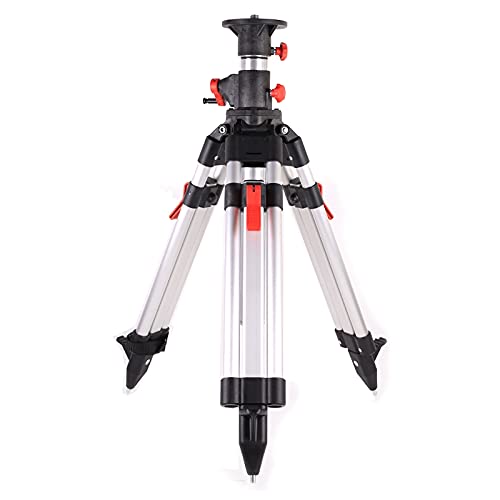
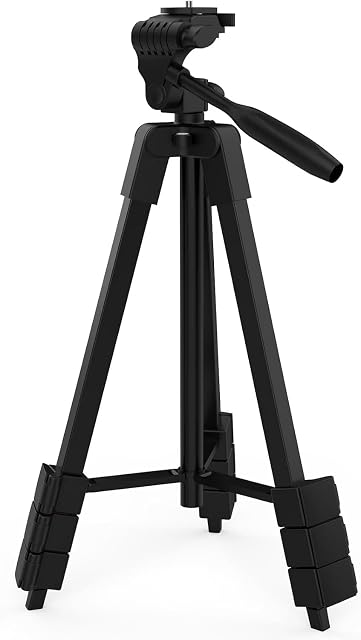
ELECVELNO aluminum laser tripod with three-way pan head

ELECVELNO Laser tripod, 17–53 in, 1/4-20 thread

The only tripod here that says how low it goes and how much it will carry — seventeen inches and six and a half pounds.

Stated dimension or range
17 in to 53 in over four different reach lengths, stated. Seventeen inches is the only MINIMUM WORKING HEIGHT published on this shelf — this shelf's buying tip says most laser work happens between 60 cm (23.6 in) and 150 cm (59.1 in), about 23.6 to 59 inches, and this shelf's introduction says the minimum matters as much as the maximum because a tripod that will not go low enough is useless for floor work. This covers the whole band and goes below it
Reference and mounting
A universal 1/4"-20 threaded screw, stated compatible with self-leveling laser levels, cross-line lasers, rangefinders, cameras and projectors. This shelf's introduction says the thread decides compatibility: 1/4 inch suits compact line lasers and camera heads, and 5/8 inch is the construction standard this tripod is not
Body and fittings
A 3-way pan head giving 360° horizontal rotation and vertical movement, with an adjustable 90° sideways tilt — stated. Four discrete extension lengths rather than a continuous column: this shelf's introduction asks whether an elevating column allows fine adjustment without resetting the legs, and four fixed steps is not that
Also stated
A load capacity of 6.6 pounds. It is the ONLY load figure on this shelf, and on a tripod whose entire job is to hold an instrument still it is the figure that says which instruments it holds — a compact cross-line laser is well under a pound, a rotary laser can be four
Measuring mode
A built-in bubble level, stated to let the tripod itself be checked and adjusted. On a self-leveling laser the tripod need only be within the pendulum range; on a manual laser the tripod's own level is the whole reference
Material
Aluminum alloy and PP, stated, with a triangular design stated to reduce vibration, and non-skid feet
Supplied
A carrying pouch, stated, with a minimum length of 17 inches folded — so the folded length and the minimum working height are the same figure, which is what four telescoping sections on a short tripod gives you
Amazon reference
B0H3NZ4M2X
EAN
0798439688035
  • Seventeen inches minimum, the only one published here
  • A stated 6.6 lb load capacity, the only load figure here
  • Four discrete lengths, not a continuous elevating column

Best for: Floor and skirting work, where a tripod that will not go low is no tripod at all

≈ $20
Check price on Amazon
Specifications

Stated dimension or range
17 in to 53 in over four different reach lengths, stated. Seventeen inches is the only MINIMUM WORKING HEIGHT published on this shelf — this shelf's buying tip says most laser work happens between 60 cm (23.6 in) and 150 cm (59.1 in), about 23.6 to 59 inches, and this shelf's introduction says the minimum matters as much as the maximum because a tripod that will not go low enough is useless for floor work. This covers the whole band and goes below it
Reference and mounting
A universal 1/4"-20 threaded screw, stated compatible with self-leveling laser levels, cross-line lasers, rangefinders, cameras and projectors. This shelf's introduction says the thread decides compatibility: 1/4 inch suits compact line lasers and camera heads, and 5/8 inch is the construction standard this tripod is not
Body and fittings
A 3-way pan head giving 360° horizontal rotation and vertical movement, with an adjustable 90° sideways tilt — stated. Four discrete extension lengths rather than a continuous column: this shelf's introduction asks whether an elevating column allows fine adjustment without resetting the legs, and four fixed steps is not that
Also stated
A load capacity of 6.6 pounds. It is the ONLY load figure on this shelf, and on a tripod whose entire job is to hold an instrument still it is the figure that says which instruments it holds — a compact cross-line laser is well under a pound, a rotary laser can be four
Measuring mode
A built-in bubble level, stated to let the tripod itself be checked and adjusted. On a self-leveling laser the tripod need only be within the pendulum range; on a manual laser the tripod's own level is the whole reference
Material
Aluminum alloy and PP, stated, with a triangular design stated to reduce vibration, and non-skid feet
Supplied
A carrying pouch, stated, with a minimum length of 17 inches folded — so the folded length and the minimum working height are the same figure, which is what four telescoping sections on a short tripod gives you
Amazon reference
B0H3NZ4M2X
EAN
0798439688035

What the maker puts in writing

  • Four adjustable extension lengths, from 17 inches to 53 inches
  • 3-way pan head: stable 360-degree pan-tilt, adjustable 90-degree sideways tilt · built-in bubble level
  • Universal 1/4” threaded screw: self-leveling laser levels, cross-line lasers, rangefinders, cameras, projectors
  • Aluminum alloy and PP · triangular design reduces vibration · non-skid feet
  • “It is capable of carrying a weight of 6.6 pounds.”
  • Minimum length of just 17 inches · carrying bag included

No 5/8 thread. No elevating column.

Seventeen inches, which is the number nobody else gives

And the one the shelf says matters as much as the maximum.

A great deal of laser work happens near the floor. A tile grid. A skirting line. A screed. A shower fall.

All of that wants the laser at knee height or below — and a tripod whose shortest setting is three feet cannot be used for any of it.

This shelf’s buying tip puts the useful band at 60 to 150 cm (23.6 to 59.1 in). Seventeen inches is 43 cm (16.9 in): below the band, which is the right side to err on.

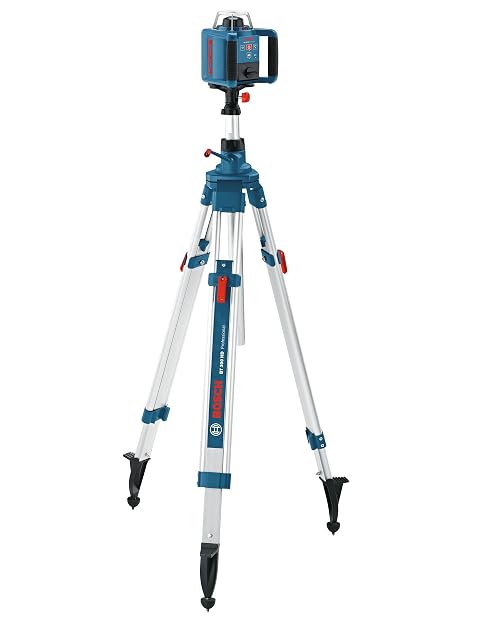
The other tripod on this shelf publishes its FOLDED length and its maximum, and never its minimum working height.

Six point six pounds

The only load figure on this shelf.

A compact self-leveling cross-line laser is well under a pound with cells in. A distance meter is a few ounces. A small rotary laser can be three or four pounds.

Six and a half covers all of them with margin.

And the figure matters less for breakage than for stability: an instrument near the limit of a light tripod wobbles, and a wobbling laser is a moving line.

Four steps, not a column

Which is the honest limit of a twenty-dollar tripod.

Each leg section locks at a fixed stop: seventeen inches, roughly twenty-nine, roughly forty-one, fifty-three.

The height you actually want may be between two of them — and is then found by spreading the legs wider, which also lowers the head.

This shelf’s introduction asks about an elevating column, the geared center post that raises a laser an inch without touching the legs.

Neither tripod on this shelf has one.

And a quarter inch, not five eighths

Which decides what fits before anything else does.

This shelf’s introduction: construction tripods are 5/8 inch; compact line lasers and camera tripods are 1/4 inch.

Both tripods on this shelf are 1/4-20. The American relevé returned no 5/8 construction tripod at all.

An adapter bridges the two — in one direction, and you have to know which.

Availability

On sale at around 20 € on the American Amazon store at the time of checking.

Prices and availability are what Keepa reported on the date this page was updated; both move.

Prices quoted in this text were read on 8 October 2026. The live price is at the top of the page.

What gets asked here

Why does the minimum height matter so much?

Because a great deal of laser work happens near the floor and a tall tripod cannot get there. Setting out a tile grid, marking a skirting line, leveling a screed, checking a shower fall — all of that wants the laser at knee height or below, and a tripod whose shortest setting is three feet simply cannot be used. This shelf's introduction says the minimum matters as much as the maximum for exactly this reason, and the buying tip puts the useful band at 60 to 150 cm (23.6 to 59.1 in). Seventeen inches is 43 cm (16.9 in): below the band, which is the right side to err on.

Is 6.6 pounds enough?

For every compact line laser and for most of what a 1/4-inch thread will take. A self-leveling cross-line laser weighs well under a pound with cells in it; a laser distance meter weighs a few ounces; a small rotary laser can reach three or four pounds. Six and a half pounds covers all of those with margin, and the figure matters less for breakage than for stability — an instrument near the limit of a light tripod wobbles, and a wobbling laser is a moving line. No other tripod on this shelf publishes a load at all.

What does four extension lengths mean in practice?

That the height is chosen from four options rather than set anywhere. Each leg section locks at a fixed stop, so you get 17, roughly 29, roughly 41 and 53 inches — and the height you actually want may be between two of them, which is then adjusted by spreading the legs wider. This shelf's introduction asks about an elevating column, the geared center post that lets a laser be raised an inch without touching the legs; neither tripod on this shelf has one. Four steps plus leg spread is the working answer.

Instruments this fits

All laser tripods