Skip to content

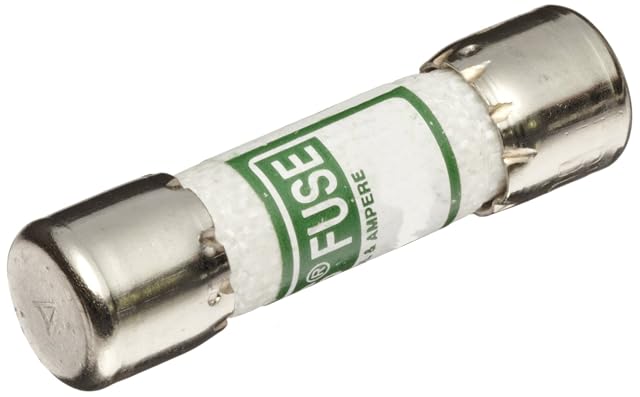
Fluke Fast-acting fuse, 11 A, 1000 V, five-pack

The Fluke part, five to a pack — and the only fuse on this shelf whose own page never states its size.

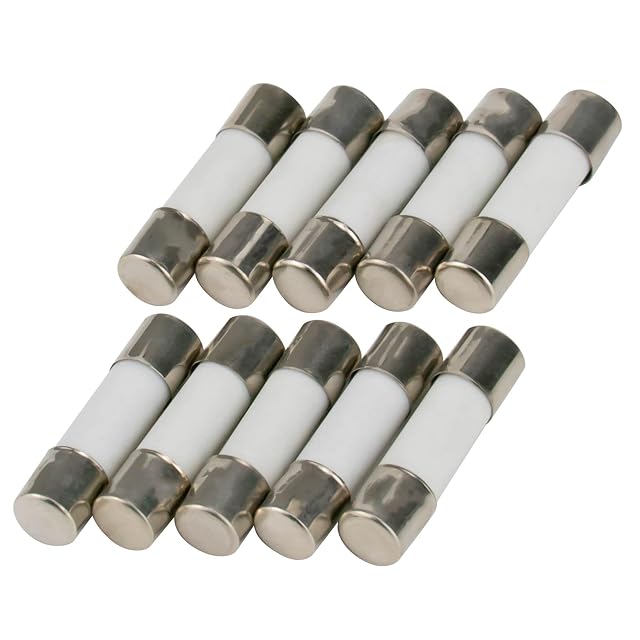
Fluke 203406 replacement fuses in a five-piece blister pack

Fluke Fast-acting fuse, 11 A, 1000 V, five-pack

The Fluke part, five to a pack — and the only fuse on this shelf whose own page never states its size.

Current rating
11 A nominal, stated. This shelf's introduction asks for the current rating first among the electrical figures, and this is one of two things the page is clear about. It matches the YUNFOOK and differs from the Klein's 10 A, which is exactly the kind of difference this shelf's buying tip warns not to paper over
Voltage rating
1000 V, stated as "maximum voltage to ground: 1000V". That wording is more precise than the bare figure the other two give, and it is the right way to state it: what a fuse in a current input has to withstand is the potential between the input and earth
Breaking characteristic
Fast-acting, stated in the title. No breaking capacity in kiloamps is published, and neither of the other two American fuses on this shelf publishes one either
Stated dimension or range
NOT PUBLISHED. This shelf's introduction names dimensions as the FIRST of the four things a manufacturer specifies about this component, and the only dimensions on this page are the BLISTER's — 19.05 × 13.716 × 0.508 cm (7.5 × 5.4 × 0.2 in). The Klein and the YUNFOOK both state 10 × 38 mm (0.39 × 1.50 in); this page leaves a buyer to work it out from the part number
Body type
NOT PUBLISHED. Nothing on the page says ceramic or glass. The shelf's tag line is that a glass fuse in a meter specifying ceramic is not a substitute, and this is a 1000 V part — the energy level at which the distinction stops being academic
Supplied
FIVE fuses, $42.42, so $8.48 each. That sits between the YUNFOOK at $5.85 and the Klein at $15.99. A five-pack is the right quantity for a bench that blows them: the fuse in a current input is the component that goes when somebody probes a live circuit in the 10 A socket
Also stated
Country of origin: United States. The four bullets on this listing are generic catalog fields — "Product Type: Precision Measuring", "Package Dimensions", "Country Of Origin", "Package Quantity: 1" — rather than anything about the fuse. The whole specification is in the title and a two-line description
Amazon reference
B00937V94W
EAN
0009596904600
  • Eight forty-eight a fuse, five in the pack
  • The voltage stated properly, as potential to ground
  • No dimensions on the page — the hub asks for them first

Best for: A workshop running Fluke meters, where the part number in the manual is the specification and spares are kept by the handful

≈ $42
Check price on Amazon
Specifications

Current rating
11 A nominal, stated. This shelf's introduction asks for the current rating first among the electrical figures, and this is one of two things the page is clear about. It matches the YUNFOOK and differs from the Klein's 10 A, which is exactly the kind of difference this shelf's buying tip warns not to paper over
Voltage rating
1000 V, stated as "maximum voltage to ground: 1000V". That wording is more precise than the bare figure the other two give, and it is the right way to state it: what a fuse in a current input has to withstand is the potential between the input and earth
Breaking characteristic
Fast-acting, stated in the title. No breaking capacity in kiloamps is published, and neither of the other two American fuses on this shelf publishes one either
Stated dimension or range
NOT PUBLISHED. This shelf's introduction names dimensions as the FIRST of the four things a manufacturer specifies about this component, and the only dimensions on this page are the BLISTER's — 19.05 × 13.716 × 0.508 cm (7.5 × 5.4 × 0.2 in). The Klein and the YUNFOOK both state 10 × 38 mm (0.39 × 1.50 in); this page leaves a buyer to work it out from the part number
Body type
NOT PUBLISHED. Nothing on the page says ceramic or glass. The shelf's tag line is that a glass fuse in a meter specifying ceramic is not a substitute, and this is a 1000 V part — the energy level at which the distinction stops being academic
Supplied
FIVE fuses, $42.42, so $8.48 each. That sits between the YUNFOOK at $5.85 and the Klein at $15.99. A five-pack is the right quantity for a bench that blows them: the fuse in a current input is the component that goes when somebody probes a live circuit in the 10 A socket
Also stated
Country of origin: United States. The four bullets on this listing are generic catalog fields — "Product Type: Precision Measuring", "Package Dimensions", "Country Of Origin", "Package Quantity: 1" — rather than anything about the fuse. The whole specification is in the title and a two-line description
Amazon reference
B00937V94W
EAN
0009596904600

What the maker puts in writing

  • “Digital Multimeter Fast Acting Replacement Fuse, 1000V AC Voltage, 11A AC Current (Pack of 5)”
  • “Nominal current: 11A”
  • “Maximum voltage to ground: 1000V”
  • Country of origin: United States
  • Pack of 5 · $42.42, so $8.48 a fuse

NO dimensions for the fuse. NO body material. No breaking capacity.

Two figures, stated well

Which is the part of this page that works.

Eleven amps nominal. A thousand volts MAXIMUM TO GROUND.

That second wording is better than the bare number the other two give. What a fuse in a current input has to withstand is the potential between the input and earth, and Fluke says so.

And the first of the hub’s four numbers, missing

“The manufacturer specifies four things about it: dimensions, current rating, voltage rating and breaking characteristic.”

Dimensions come first in that list, and they are not on this page.

The only measurements printed are the BLISTER’S: 19.05 by 13.716 by 0.508 centimeters.

The Klein says 10 × 38 mm (0.39 × 1.50 in) in its title. The YUNFOOK says 10 mm (0.39 in) × 38 mm (1.50 in) and then repeats it in inches. This one says nothing.

Nor whether it is ceramic

Which the shelf’s tag line makes the sharpest omission of the three.

“A glass fuse in a meter that specifies ceramic is not a substitute.”

Three American fuses on this shelf, all rated 1000 V. One of them — the Klein — names its body material.

Four bullets that are catalog fields

“Product Type: Precision Measuring.”

“Package Dimensions: 19.05 cm (7.5 in) L X13.716 cm (281.9 in) W X0.508 cm (200 in) H.”

“Country Of Origin: United States.”

“Package Quantity: 1” — on a page whose title says pack of five.

The entire specification of this safety component lives in its title and a two-line description underneath.

Five is the right number to buy

Because this is the component that goes on a mistake, not on wear.

Probes across a live supply with the leads still in the 10 A sockets, and the fuse does what it exists to do.

Eight forty-eight each: cheaper than the single Klein at $15.99, dearer than the YUNFOOK pair at $5.85 apiece.

Availability

On sale at around 42 € on the American Amazon store at the time of checking.

Prices and availability are what Keepa reported on the date this page was updated; both move.

Prices quoted in this text were read on 8 October 2026. The live price is at the top of the page.

What gets asked here

What size is it?

The page does not say, and that is the gap. This shelf's introduction puts dimensions first among the four things a maker specifies about this component, because a fuse that does not fit the holder is useless and a fuse that fits but is the wrong class is worse. The only measurements printed are the blister pack's: 19.05 by 13.716 by 0.508 centimeters. The other two American fuses on this shelf both state 10 × 38 mm (0.39 × 1.50 in) in their titles. Before ordering five, check the part number against your meter's manual rather than against the dimensions, because the dimensions are not here.

Ceramic or glass?

Not stated, and at 1000 V that is the question worth an email to the seller. The shelf's tag line is that a glass fuse in a meter specifying ceramic is not a substitute: ceramic bodies are sand-filled and quench the arc, glass bodies have air in them. Of the three American fuses here, only the Klein puts the word ceramic in writing. Fluke's reputation is the implicit answer and it is not the same as a published figure.

Why does Fluke sell them five at a time?

Because the fuse in a current input is the component that goes, and it goes on a mistake rather than on wear. Someone puts the probes across a live supply with the leads still in the 10 A sockets, and the fuse does precisely what it is for. A bench with several meters on it wants spares in the drawer, not an order to place. Five at $8.48 each is cheaper per fuse than the single Klein and dearer than the YUNFOOK pair.

All multimeter fuses